





Are Dental Implants Painful? Common Implant Myths Answered

Croydon Dental • May 15, 2026

Source: Dr. Marketing


Dental implants are often described as one of the most reliable ways to replace missing teeth. Yet despite their long history of success, many patients still feel unsure about them. Questions about safety, pain, longevity, and eligibility often create hesitation.


Understanding the difference between myths and facts helps patients make confident decisions about their oral health. At Croydon Dental in Surrey, we believe education is the first step toward choosing the right treatment. When patients understand how dental implants truly work, the fear and confusion surrounding them often disappear.

Let us separate fact from fiction.


What Dental Implants Actually Are


Before addressing myths, it is important to understand what a dental implant is.


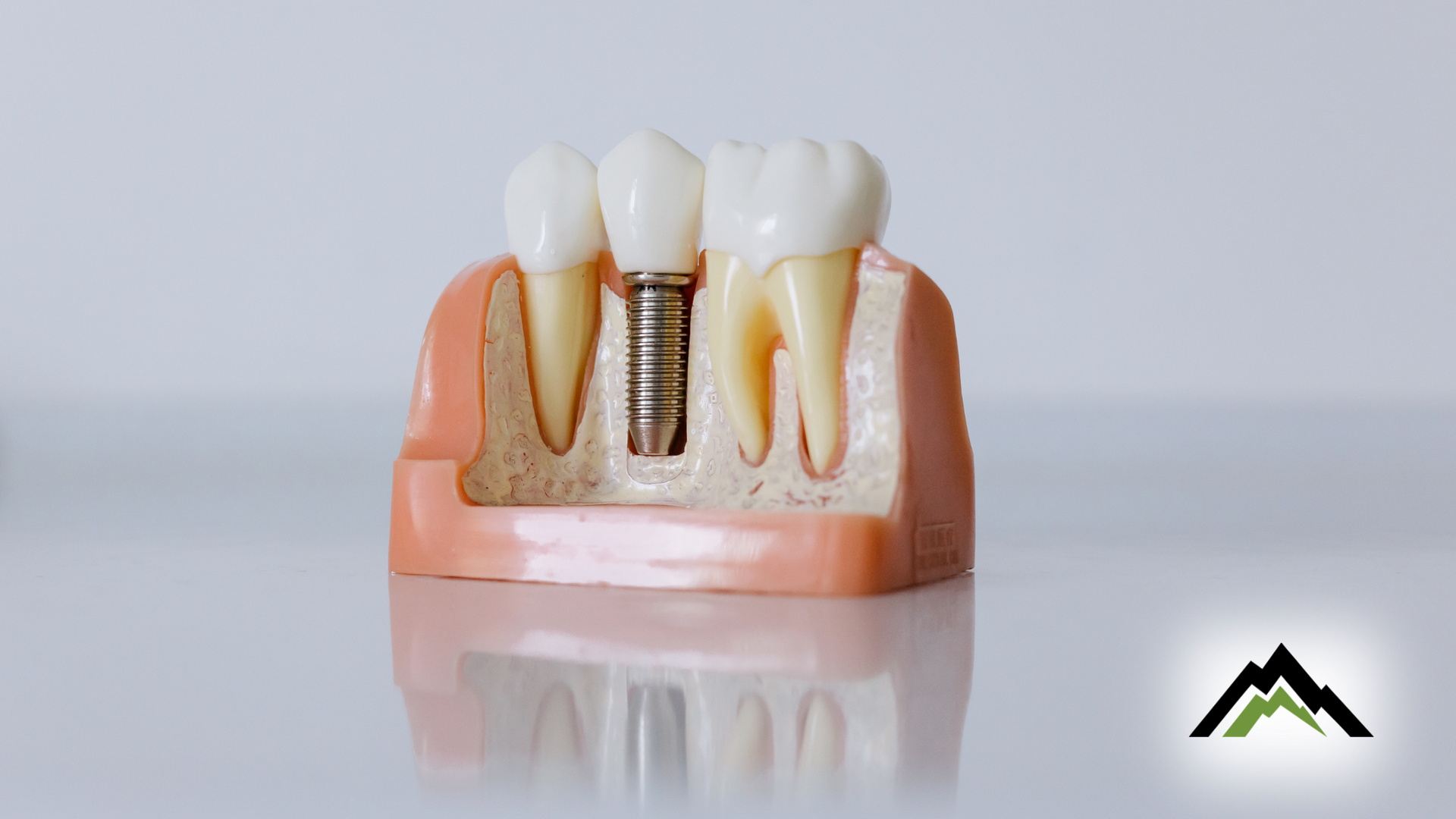
A dental implant is a small titanium post that is placed into the jawbone to replace the root of a missing tooth. Over time, the implant integrates with the bone in a process called osseointegration. Once healed, it supports a crown, bridge, or denture.


Unlike removable appliances, implants function as a stable, fixed foundation. They restore chewing strength, preserve bone structure, and maintain facial support. When properly planned and maintained, implants can offer long-term stability that closely mimics natural teeth.


Myth 1: Dental Implants Are Extremely Painful


This is one of the most common concerns.


The truth is that implant placement is typically more comfortable than many patients expect. The procedure is performed under local anesthesia, and most patients describe post-procedure discomfort as similar to a simple extraction. Mild swelling or tenderness may occur for a few days, but it is generally manageable.


At Croydon Dental in Surrey, treatment planning focuses on comfort and precision. When patients understand what to expect during recovery, anxiety decreases significantly.


Myth 2: Dental Implants Are Only for Older Adults


Dental implants are not limited by age alone.


Candidacy depends more on bone health, gum condition, and overall oral stability than on age. Many adults in their thirties and forties choose implants after trauma, decay, or failed root canals. Even younger patients may qualify once jaw growth is complete.


A thorough assessment helps determine whether implants are appropriate. In some cases, preparatory treatments such as bone grafting may be recommended to create a stable foundation.


Myth 3: Dental Implants Look Fake


Modern implant restorations are designed to blend naturally with surrounding teeth.


Shape, size, shade, and contour are customized to match your smile. When properly planned, implants are virtually indistinguishable from natural teeth. The goal is not simply to replace a missing tooth but to restore harmony within the smile.


Patients at Croydon Dental in Surrey often express surprise at how natural their implant crown looks once completed.


Myth 4: Dental Implants Require Too Much Maintenance


Dental implants do not require special cleaning products or complicated routines.


They require the same consistent oral hygiene as natural teeth. Brushing twice daily, flossing, and attending regular dental visits are essential. The surrounding gum tissue must remain healthy to support long-term implant success.


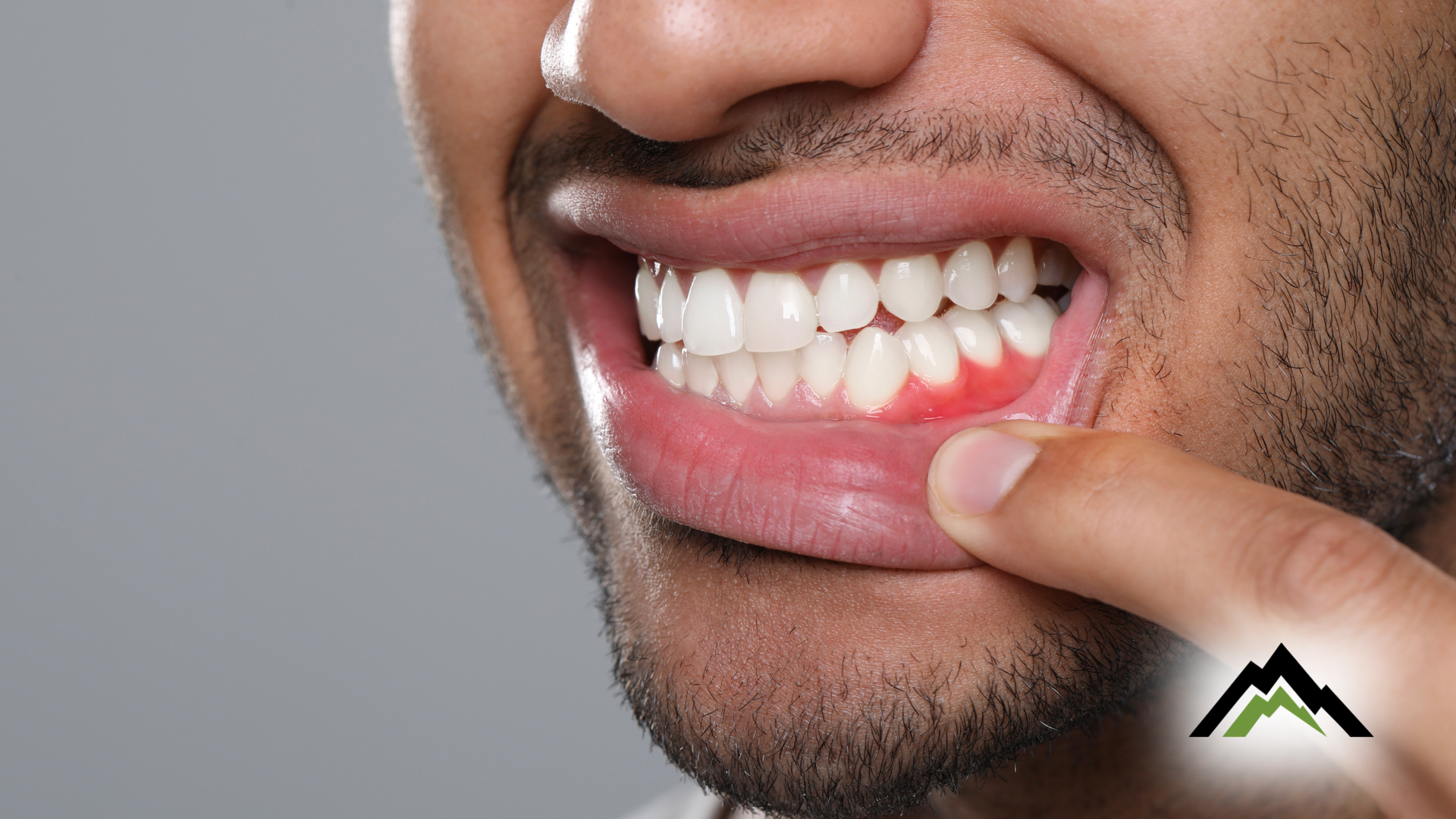
Neglecting hygiene can lead to peri-implant inflammation, which is similar to gum disease. However, with proper care, implants can remain stable for many years.


Myth 5: Dental Implants Fail Frequently


Dental implants have a high long-term success rate when placed in healthy conditions.


Failures are often linked to factors such as uncontrolled diabetes, smoking, untreated gum disease, or inadequate bone support. With careful evaluation and planning, these risks can often be managed or reduced.


The key is a comprehensive assessment before treatment begins. At Croydon Dental in Surrey, we evaluate bone density, gum health, bite forces, and medical history before recommending implant therapy. This methodical approach supports long-term predictability.


The Real Benefits of Dental Implants


Beyond replacing a missing tooth, implants offer functional and structural advantages.


They help preserve jawbone density. When a tooth is lost, the underlying bone gradually shrinks due to lack of stimulation. Implants stimulate the bone similarly to natural tooth roots, reducing this resorption. They also prevent shifting. Adjacent teeth may drift into empty spaces, affecting bite alignment and overall stability. An implant maintains spacing and balance.


Most importantly, implants restore chewing efficiency. Patients often report renewed confidence in eating and speaking once their restoration is complete.


When Might Dental Implants Not Be Recommended?


While implants are highly versatile, they are not automatically suitable for everyone. Active gum disease must be treated first. Severe bone loss may require grafting. Certain medical conditions require coordination with a physician. Smoking may also affect healing and long-term integration.


This is why individualized evaluation is critical. Implant treatment is not a one-size-fits-all procedure. Careful sequencing and planning improve outcomes.


What the Process Typically Looks Like


Understanding the timeline often reduces uncertainty. After evaluation and imaging, the implant is placed into the jawbone. Healing typically takes several months as the implant integrates with bone. Once stable, a custom crown is attached.


Throughout this process, follow-up appointments monitor healing and ensure stability. Patients who commit to regular maintenance visits tend to experience strong long-term outcomes.


If you are considering replacing a missing tooth, scheduling a consultation at Croydon Dental in Surrey allows you to explore whether dental implants align with your goals and oral health condition.


Final Thoughts: Facts Matter


Dental implants are surrounded by misconceptions that can prevent patients from seeking a reliable solution. The reality is that modern implant dentistry is predictable, carefully planned, and supported by decades of research.


Understanding the facts allows you to approach treatment with clarity rather than hesitation. Replacing a missing tooth is not only about appearance. It is about protecting bone, restoring function, and maintaining overall oral stability.


If you are exploring tooth replacement options and want clear, personalized guidance, book a consultation with Croydon Dental in Surrey. A thorough evaluation can determine whether dental implants are the right long-term solution for your smile.


Share

Recent Posts

By Croydon Dental • November 15, 2026
Which dental treatments should you schedule before year-end? Explore insurance coverage for cleanings, fillings, crowns, root canals, and periodontal care. Learn how to plan your dental visits with Croydon Dental in Surrey before your benefits renew.

By Croydon Dental • November 1, 2026
Putting off a recommended root canal until after the holidays? Delaying treatment may increase the risk of worsening tooth pain, infection, or additional dental complications. Learn why addressing dental concerns early matters and schedule an evaluation with Croydon Dental in Surrey, before your holiday

By Croydon Dental • October 15, 2026
Learn what to eat after dental bonding, which foods to avoid, and how to protect bonded teeth from stains and chips. Explore dental bonding aftercare tips, including brushing, flossing, and daily habits. Book a cosmetic dental consultation with Croydon Dental in Surrey.

By Croydon Dental • October 1, 2026
Which dental filling material is right for your teeth? Explore the differences between silver amalgam and tooth-colored composite fillings, including strength, longevity, appearance, and maintenance. Croydon Dental in Surrey explains what to consider before restoring a cavity.
Show More
By Croydon Dental • November 15, 2026
Which dental treatments should you schedule before year-end? Explore insurance coverage for cleanings, fillings, crowns, root canals, and periodontal care. Learn how to plan your dental visits with Croydon Dental in Surrey before your benefits renew.
By Croydon Dental • November 1, 2026
Putting off a recommended root canal until after the holidays? Delaying treatment may increase the risk of worsening tooth pain, infection, or additional dental complications. Learn why addressing dental concerns early matters and schedule an evaluation with Croydon Dental in Surrey, before your holiday
By Croydon Dental • October 15, 2026
Learn what to eat after dental bonding, which foods to avoid, and how to protect bonded teeth from stains and chips. Explore dental bonding aftercare tips, including brushing, flossing, and daily habits. Book a cosmetic dental consultation with Croydon Dental in Surrey.

Show More